
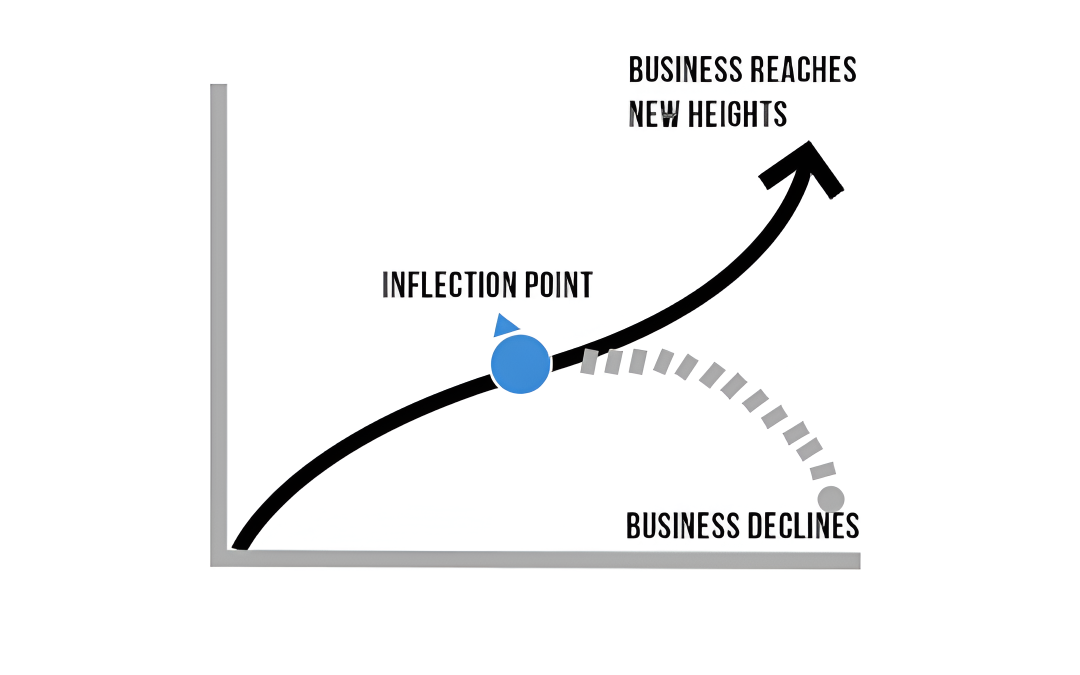
At some point, a decision lands on your desk that you cannot afford to get wrong. Maybe you are evaluating whether to expand into a new geography, acquire a competing practice, add a service line, or exit the business entirely. The instinct is often to move on experience and intuition. The smarter move is to first understand what the market is actually telling you.
For many healthcare organizations, that moment is an inflection point: a period when better market visibility can materially change the quality of the decision.
A market assessment gives you that clarity. It tells you where real demand exists, where competition concentrates, and where your organization sits relative to both. What it does not do is decide for you. It sharpens the lens through which you make it. In healthcare, where regulatory dynamics, reimbursement pressures, and shifting patient behavior all interact, that sharpened lens is not optional. The stakes are too high to operate on assumptions.
In this blog, we will explain what a market assessment is in healthcare and why it matters for strategic growth, acquisitions, and exits.
What a Market Assessment Actually Means in a Healthcare Context
A market assessment is not the same as market research. Market research collects data. A market assessment interprets that data through a strategic lens to answer specific business questions: Is this market viable for us? Can we compete and win here? What does the timing actually look like?
In healthcare, those questions carry additional weight. You are evaluating a system shaped by payer contracts, referral dependencies, regulatory requirements, and care delivery infrastructure. A general market research approach misses most of that. A proper healthcare market assessment is built around the decisions your organization needs to make, whether that is growth, transformation, acquisition readiness, or exit planning.
You need one when the cost of being wrong is high. New market entry, strategic partnerships, major capital investment, or a planned transaction all qualify. The assessment is the foundation that makes everything that follows more defensible.
Why Healthcare Makes Market Assessment More Complex
Healthcare does not behave like a traditional consumer market, and any assessment that treats it like one will produce misleading conclusions. Reimbursement rates vary significantly by payer and geography. Regulatory frameworks change faster than most organizations anticipate. Your payer mix directly affects your margin profile, which in turn shapes how competitive you can realistically be in a given market.
Patient population behavior adds another layer. Patients do not choose providers the way consumers choose products. Proximity, referral relationships, insurance coverage, and established trust all shape utilization patterns in ways that aggregate data alone will not reveal. Your referral network is often more central to your competitive position than your marketing spend.
Healthcare industry trends, including value-based care models, consolidation activity, workforce shortages, and telehealth adoption, can quickly shift competitive positioning. A healthcare business strategy that does not account for where those trends are heading will be outdated before it is implemented.
The Core Components of a Healthcare Market Assessment

The value of a healthcare market assessment comes from understanding the factors that actually shape a strategic decision. These core areas help leaders move beyond surface-level data and evaluate where opportunity, risk, and readiness truly stand.
Demand and Population Analysis
This component looks at who is in the market and what they need. Demographics, disease prevalence, insurance coverage rates, and service-area coverage gaps all factor in. You are looking for where demand is growing and where it is currently underserved. A market with strong demographic tailwinds and limited existing supply can represent a real opportunity, but that analysis only holds up if the population profile aligns with the services you actually deliver.
Competitive Landscape Review
Competitive analysis in healthcare goes beyond listing who else operates in the area. You need to understand direct competitors, indirect competitors such as health systems that are absorbing independent practices, and emerging players, including private equity-backed groups and virtual care providers. Market share, service overlap, and differentiation opportunities all need mapping. Where competitors are weak or absent is often more strategically useful than where they are strong.
Internal Capability and Positioning Audit
A healthcare market analysis without an honest internal audit is incomplete. You need to understand your organization’s current strengths relative to what the market actually demands. That means evaluating your clinical capabilities, operational capacity, referral relationships, payer contracts, and leadership depth. The gaps between where you operate today and where the market is moving will define what growth or transformation actually requires from you.
Viewed together, these factors create a more complete picture of the market and your position within it. That broader perspective is what allows a market assessment to inform strategy, not just describe the environment.
How a Market Assessment Shapes Your Business Strategy in Healthcare
The findings from a market assessment should connect directly to your next strategic decision. If you are evaluating an acquisition target, the assessment tells you whether the market around that target can support the investment thesis. If you are considering a new market entry, it tells you whether the demand is real, the competition is manageable, and your organization is positioned to execute.
For service line prioritization, the assessment helps you allocate resources toward areas where market demand and your internal strengths overlap. That is not always where you expect. Organizations frequently discover their highest-growth opportunity sits in a service line they have underinvested in, while they have been expanding in a direction the market is moving away from.
Just as important, it gives leadership a shared fact base, which makes alignment easier when the next move carries real operational and financial consequences.
Acting on data rather than assumptions improves the quality of decisions at every level. Restructuring efforts become more targeted. Growth plans become more realistic. Exit strategies become more credible to prospective buyers. Those are not minor improvements; they are the difference between a decision that holds up and one that unravels under scrutiny.
What Good Market Assessment Output Actually Looks Like
A healthcare market assessment should do more than describe the market. It should give your leadership team a clear view of where demand is real, where risk is building, and which moves deserve action now. When expansion, acquisition, restructuring, or exit planning is on the table, making decisions without that level of clarity can weaken returns, expose avoidable risk, and slow growth at the exact moment precision matters most. Inflection 360 helps healthcare organizations turn market intelligence into focused strategy, stronger prioritization, and measurable next steps through its Market Assessment and Competitive Analysis services.
